





Style

Professional Interior Painting Contractor in Central New Jersey

Transform Any Room With Professional Painting

Red Trim Painting Services painting character

#1 Interior Painting Service

You can paint the inside of your home yourself. A lot of homeowners do, especially for a single room or a quick refresh before listing. But once you start thinking about the whole house, or you’re dealing with damaged drywall, old oil paint, a basement with moisture issues, or trim work that needs a smooth factory finish, the picture changes. Interior painting done right involves surface diagnostics, prep decisions, product knowledge, and application technique that take real field experience to execute well. Most homeowners who dig into it arrive at the same place: they want to hire the right contractor and understand enough about the work to know what good looks like.

That’s what this page is for. If you’ve already decided to bring in a professional, everything below will help you understand what a quality interior paint job actually involves, how the process works from start to finish, what it costs in this part of New Jersey, and how to evaluate the people who show up to give you an estimate.

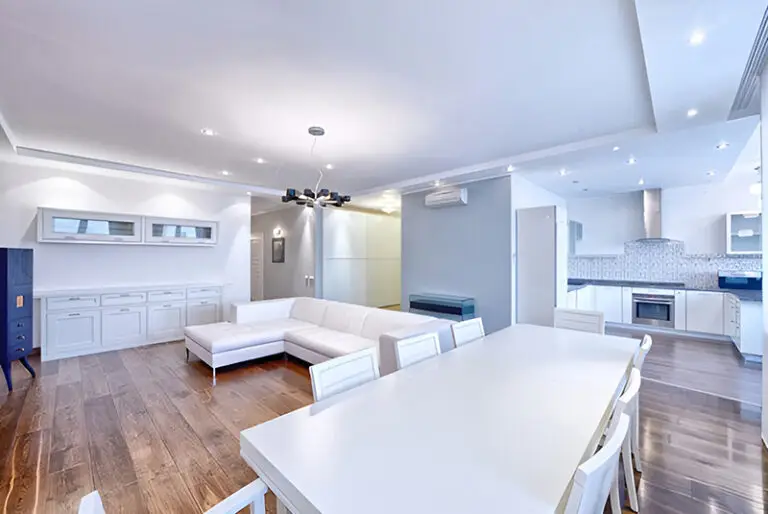
sitting room with painted white walls and white furniture
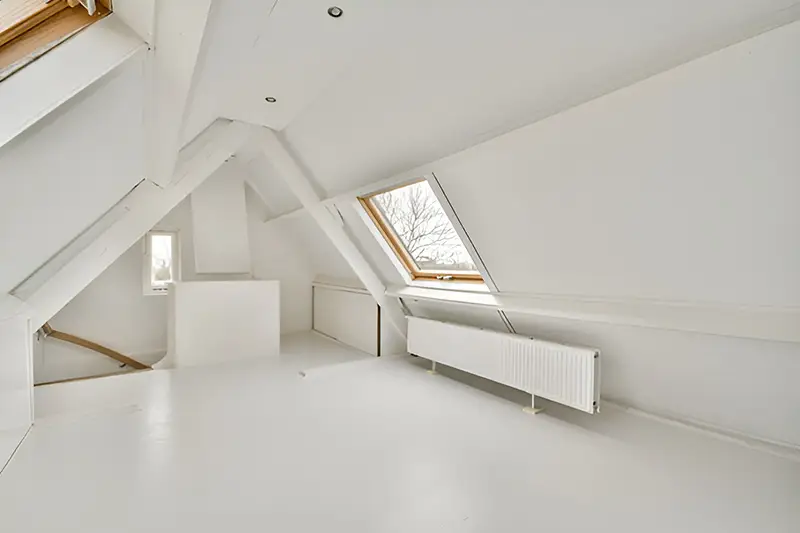
attic with white painted walls
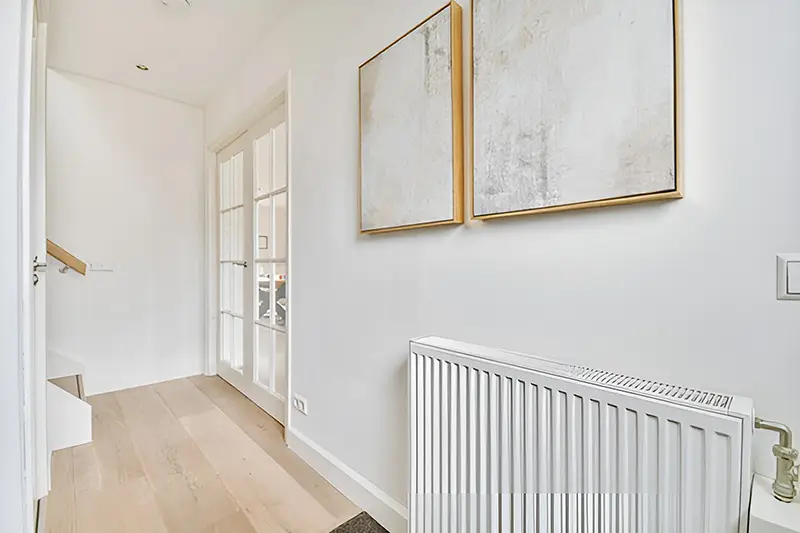
hallway area with white painted walls
Red Trim Painting Services text logo
Style
Red Trim Painting Services logo

The Red Trim Painting Services Interior Painting Process

We'll Make Your Walls Look Amazing

We understand that painting your home’s interior can be a daunting task. That’s why we’ve developed a professional residential interior painting process that takes the stress out of the job and delivers exceptional results.

Here’s a breakdown of our process:

 At Red Trim Painting Services, we take pride in our work and are committed to providing the highest quality services. Contact us today for a free estimate and let us show you how we can transform your space with our professional painting services.

Why Interior Painting Is a System, Not a Single Step

The most common misconception about interior painting is that it’s mostly about choosing the right color. It’s not. Color is the last decision in a long chain of choices that starts with the condition of your surfaces. What determines whether a paint job holds up for two years or ten is everything that happens before the topcoat goes on.

A residential interior is a collection of different surfaces, each with its own material properties, exposure conditions, and failure patterns. Your living room walls behave differently than your bathroom ceiling. Kitchen surfaces deal with grease, heat, and steam that a bedroom never sees. Basement walls in Middlesex County face humidity levels and moisture vapor that will push paint off concrete if the prep is wrong. Trim and doors need a harder, smoother finish than walls. Crown molding requires a steadier hand and different brush technique than rolling a flat surface.

A contractor who treats every surface in your home the same way is cutting corners. You’ll see the results within the first year or two.

The Surfaces Inside a Residential Home

Every home has multiple surface types on the interior, and each one requires a different approach. Understanding what’s in your home helps you follow a contractor’s scope of work and ask the right questions before signing anything.

Walls

Interior walls are the largest painted surface in most homes and the starting point for any interior project. Modern homes in Middlesex County are predominantly drywall. Older homes, especially those built before the 1970s, often have plaster walls, which behave differently under paint and require specific prep and primer approaches. Both surfaces can carry years of texture variations, patching history, and paint buildup that affect how new paint looks and sticks.

The condition of your walls before painting starts is the biggest variable in how the finished product looks. Hairline cracks, nail pops, water stains, old repairs, and layers of incompatible paint all need to be addressed before a topcoat goes on. A contractor who rolls over these without addressing them is leaving problems for you to deal with later.

For a full breakdown of what proper wall preparation involves, see our guide on interior painting preparation.

Ceilings

Ceilings are the most technically demanding surface in the house to paint well. They’re worked overhead, which means every drip, roller mark, and cut-in mistake is visible to everyone in the room. Flat white is the standard for most ceilings, but the sheen choice matters: too much sheen and the ceiling reflects light in ways that show every imperfection. Popcorn and texture ceilings add a layer of complexity. Popcorn ceilings, common in Middlesex County homes built through the 1980s, are often best removed before painting rather than painted over, because new paint adds weight that can cause texture to release.

If your home has popcorn or textured ceilings, our guide on popcorn ceiling removal and painting covers what’s involved and what to expect from the process.

Trim, Doors, and Baseboards

Interior trim includes baseboards, door casings, window casings, chair rails, and any other architectural millwork in the home. This woodwork gets a different product than walls, typically a harder, higher-sheen finish that resists scuffs and can be wiped clean. Getting a smooth finish on trim and doors is one of the biggest differentiators between an experienced painter and an inexperienced one. Brush marks, drips at corners, and uneven sheen are all signs that the surface wasn’t properly prepped or that the wrong product was used.

For a detailed look at what professional trim and door painting involves, see our guide on interior trim and detail painting.

Crown Molding

Crown molding sits at the junction of the wall and ceiling, which means it has to be cut in cleanly against two different surfaces at once. It’s one of the details that most visibly separates a careful paint job from a rushed one. Done right, crown molding with a sharp, clean line reads as a finished, well-maintained home. Done sloppily, it stands out more than almost any other paint defect. Painters who work on crown molding regularly have developed a method for holding a line in that corner. It’s not a skill that transfers from rolling walls.

Cabinets and Closets

Painted closet interiors, including walls, ceilings, and shelving, are an area most painters skip or rush. A properly painted closet uses the right sheen for durability on shelving surfaces, addresses any moisture or mildew concerns in smaller enclosed spaces, and leaves clean lines at every junction. The result is a space that holds up to daily use and looks intentional rather than like an afterthought.

Bathrooms

Bathrooms are the highest-humidity space in most homes. Steam from showers, splashing near sinks, and inadequate ventilation create conditions where standard interior paint fails quickly. Moisture works its way behind a paint film that wasn’t designed for it and causes bubbling, peeling, and mold growth. The right approach uses products specifically formulated for wet and humid environments, properly prepares surfaces that have any existing mildew or moisture damage, and addresses ventilation considerations before painting starts.

For a full breakdown of what bathroom painting involves and what products hold up in New Jersey’s humid climate, see our guide on bathroom painting.

Basements

Basement painting is its own category. The surfaces are different, the moisture conditions are different, and the failure modes are different. Unfinished basement walls are often poured concrete or concrete block, which requires specific primers and coatings designed for masonry. Finished basement walls deal with humidity and vapor transmission that wood-framed walls above grade don’t experience at the same level. Getting basement painting right means understanding what’s causing any existing moisture issues before covering them with paint.

Our guide on basement painting covers how different basement conditions are handled, including the difference between finished and unfinished spaces and what waterproofing products actually do.

How a Professional Interior Paint Job Works

The sequence of a residential interior paint project follows a predictable order, and each phase matters. Rushing or skipping any step creates problems that show up within the first year.

Assessment and Scope

Before pricing, before scheduling, and before any prep work starts, a qualified contractor walks every room and documents what they find. That means checking for moisture damage, cracked or loose drywall, water stains, failing paint adhesion, mildew in bathrooms or closets, and any surface conditions that need repair before painting begins. On homes built before 1978, lead paint testing may be part of this assessment for interior surfaces as well. If a contractor gives you a number without seeing the rooms first, that should give you pause.

Surface Preparation

Prep is where the real work lives on an interior job. On a typical residential interior in Middlesex County, proper prep includes filling nail holes and cracks, skim-coating damaged drywall, sanding patched surfaces smooth, removing wallpaper where it’s present, addressing water stains with stain-blocking primer, cleaning greasy kitchen surfaces before paint will stick, caulking gaps at trim and molding, and protecting floors, fixtures, and furniture. The difference between a paint job that looks great on day one and one that holds up for years is almost entirely in the prep.

The specifics of interior prep could fill their own page, and they do. Our guide on interior painting preparation covers each step in detail, including what stain-blocking primer actually does, when wallpaper removal is better than painting over it, and how water damage is properly addressed before a topcoat goes on.

Product Selection

The paint and primer your contractor uses matter more than most homeowners realize. For interior walls, the quality spread between a builder-grade paint at $20 a gallon and a premium product like Sherwin-Williams Emerald or Benjamin Moore Regal Select at $75 to $95 a gallon is significant. Better products cover in fewer coats, hold color longer, and stand up to cleaning without the finish dulling or rubbing off.

Sheen choice is equally important and more nuanced than most people expect. Flat finishes hide surface imperfections but don’t clean well. Eggshell and satin are the workhorses for most living areas, offering a balance of washability and a forgiving finish. Semi-gloss is standard for trim, doors, and bathrooms. High-gloss is rarely used on walls but appropriate for certain trim applications where durability is the priority.

For a full breakdown of how to think about interior paint products and sheen selection by room and surface type, see our guide on interior paint selection.

Application

Topcoat application on a residential interior typically means two coats of finish paint over properly primed or prepared surfaces. The method varies by surface: rollers for open wall areas, brushes for cutting in at corners and trim lines, and spray application in some new construction or cabinet situations. Cutting clean lines at ceiling junctions without tape lines, feathering patches so they disappear into the surrounding surface, and maintaining a wet edge in large rooms to avoid lap marks are all trade skills that separate experienced crews from inexperienced ones.

What Interior Painting Costs in New Jersey

Cost depends on your home and the scope of work. Painting two bedrooms and a hallway in a 1,400-square-foot ranch in Edison is a very different project than repainting every room in a 3,200-square-foot colonial in Westfield, including trim, ceilings, and closets throughout.

For a typical residential interior in Middlesex County, homeowners can expect to pay between $3,500 and $9,000 for a full interior repaint covering walls, ceilings, and trim throughout the home. Smaller-scope projects like a single room or two run $600 to $1,500. Kitchens and bathrooms typically cost more per room due to the prep involved and the more demanding surfaces. Basements vary widely based on whether the space is finished and what the concrete or wall conditions look like.

The biggest cost driver on any interior job is surface condition. A home with walls in good shape, minimal patching needed, and no significant moisture or stain issues will come in at the lower end of any range. A home with water damage, failing drywall, old wallpaper to strip, or significant paint adhesion problems will sit higher. That’s not a contractor padding their margin. It reflects the actual labor required to build the job to last.

For a full breakdown by room type, home size, and project scope, see our guide on the cost of interior painting in NJ.

Choosing the Right Paint for Each Room

Not every room in your home should get the same paint. The right product depends on the surface, the conditions the room deals with, and how the space is used. Bathrooms need moisture and mildew resistance. Kitchens need a finish that holds up to grease and frequent wiping. High-traffic hallways and kids’ rooms need something that scrubs clean without losing its finish. Bedrooms can tolerate a lower-sheen product that hides imperfections better.

Low-VOC and zero-VOC formulations have also become a meaningful consideration, especially for households with children, people with sensitivities, or interior projects done in winter when ventilation is limited. Most premium paint lines now offer low-VOC options that perform comparably to traditional formulations. If this matters to your household, it’s worth asking your contractor specifically about what they plan to use.

Our guide on interior paint selection breaks down sheen levels, product types, and what to use in each room type, including which questions to ask your contractor about what they plan to apply.

Specialty Interior Work

Not every interior painting project is a standard repaint. Some homes have specific conditions or feature elements that require a different approach.

Accent Walls

Accent walls are one of the most searched interior painting topics, and for good reason. A well-executed accent wall adds visual depth to a room without the commitment of painting all four walls a bold color. The key is getting the edges clean and the color choice right for the light conditions in that specific room. What looks right on a paint chip under store lighting often reads differently on a north-facing wall in January.

High Ceilings

Homes with vaulted or two-story ceilings require different equipment, more setup time, and more labor than standard ceiling heights. The access method, whether ladders, extension poles, or scaffolding, affects both cost and the quality of the cut-in work at the ceiling-wall junction. In Middlesex County’s newer construction and renovated colonials, high ceilings are common enough that any contractor you hire should have a clear process for handling them.

New Construction

Interior painting in new construction is a different project than repainting an existing home. New drywall needs to be properly primed before finish coats go on. The sequencing of trades matters: paint often goes on before flooring, fixtures, and trim installation, which changes how the work is staged and what protection is needed. Contractors who primarily work on existing homes and contractors who focus on new construction develop different workflows, and it’s worth asking a prospective contractor which they do more of.

For a detailed look at specialty interior finishes including accent walls, high ceilings, popcorn ceiling removal, and kitchen and closet painting, see our guide on interior specialty finishes.

NJ Climate and What It Means for Your Interior

New Jersey’s climate affects interior painting in ways that are easy to underestimate. Middlesex County sits in a humid continental climate zone with hot, humid summers and cold winters. That humidity matters for interior work. Paint applied in high-humidity conditions takes longer to dry, is more prone to sagging, and can struggle to cure properly. Reputable contractors working in New Jersey account for the time of year and indoor conditions before applying finish coats.

Winter interior painting is common because it’s the off-season for exterior work, but it brings its own considerations. Heating systems dry the air significantly, which can cause paint to dry too fast and leave lap marks. Adequate ventilation is also harder to achieve in winter, which matters more if you’re using products with meaningful VOC levels.

Bathrooms and basements in Middlesex County homes deal with humidity levels that differ from the rest of the house year-round. Homes without proper exhaust ventilation in bathrooms, or basements with grade-level moisture intrusion, need those conditions addressed before paint goes on. Painting over an active moisture problem is one of the most common reasons interior paint fails prematurely in this region.

How to Choose the Right Interior Painting Contractor

Not every painter who offers interior work is qualified to do it well across all surface types. Here’s what actually matters when you’re evaluating someone to work inside your home.

A valid New Jersey Home Improvement Contractor (HIC) license is the baseline. You can verify it through the NJ Division of Consumer Affairs. General liability insurance and workers’ compensation coverage are both non-negotiable. If a painter falls down your stairs and the contractor doesn’t carry workers’ compensation, that injury claim can reach your homeowner’s insurance or directly to you. Not every painting company carries it, and the ones that don’t are cheaper for a reason.

Beyond the paperwork, the things that separate a good interior contractor from a mediocre one are mostly visible in how they communicate before the job starts. Do they walk every room before quoting? Do they explain their prep process in specific terms, or do they talk in generalities? Do they tell you the specific products they plan to use by name? Does their written estimate list every surface being painted, the number of coats, and what prep work is included?

A vague lump-sum number with no breakdown makes it impossible to compare bids or hold anyone accountable for what was promised. A detailed written scope tells you exactly what you’re buying.

Interior painting also means having strangers in your home for multiple days, working around your furniture and your family’s routine. How a contractor handles the estimate process, whether they show up when they say they will, whether they communicate proactively, and how they treat your home during the walkthrough are all meaningful signals about how the job itself will go.

For more on what to look for when hiring an interior painter and what questions to ask before signing a contract, see our guides on how to find a good interior painter in NJ and questions to ask before hiring an interior painter.

Why Choose Red Trim Painting Services

Licensed, Insured & Bonded

Upfront Pricing

Flexible & Reliable

100% Satisfaction Guaranteed

Throughout the Project Daily Progress Updates

Personalized/Detailed Written Estimates in 24 hours

High-Quality/Eco-Friendly Paints

2-Year Workmanship Warranty

Style

Transform Your Home

See Your Benefits!

Interior residential painting can have a transformative effect on your home. At Red Trim Painting Services, we believe that painting your interior space can bring many benefits beyond just aesthetic appeal.

Contact us today for a free estimate and let us help you transform your space with our professional painting services.

Red Trim Painting Services logo

Frequently Asked Questions

How long does it take to paint the interior of a house in NJ?

Most full interior projects in Middlesex County take 3 to 7 working days depending on the home’s size, the number of rooms, and the condition of existing surfaces. A two-bedroom apartment with walls in good shape can be done in 2 days. A 3,000-square-foot home with trim throughout, closets, and surfaces that need significant prep will take closer to a week or more. Weather doesn’t affect interior timelines the way it does exterior projects, but ventilation and drying time between coats still matter.

Do I need to move my furniture before the painters arrive?

Most interior painting contractors will move standard furniture away from walls and cover it with drop cloths as part of their process. It helps to remove fragile or valuable items, clear off shelves and surfaces that need to be painted near, and have a plan for where large furniture like beds and dressers can be staged. A good contractor communicates exactly what they need cleared before they arrive rather than leaving you guessing.

How long before I can use the room after painting?

Most interior latex paints are dry to the touch within an hour and ready for a second coat in 4 hours. However, paint takes 2 to 4 weeks to fully cure and reach its final hardness. During that window, treat the surfaces gently. Avoid scrubbing freshly painted walls or hanging things that require adhesive. The low-VOC and zero-VOC paints used by most professional contractors today have significantly lower odor than older formulations, so most rooms are comfortable to use within a day of painting.

Do I need to pick paint colors before getting quotes?

You don’t need final selections before getting estimates. Having a general direction helps the contractor plan for sheen and product type, but the exact colors can be finalized after the scope of work is agreed on. Some colors, particularly deep tones and high-pigment colors, require tinted primers or additional coats. Your contractor should be able to advise on how your color choices affect the process and the price.

What’s the difference between a $3,000 and a $7,000 interior painting quote for the same house?

Usually it comes down to three things: prep work, product quality, and labor hours. A lower-priced quote may be skipping proper surface prep, using builder-grade paint, or planning one coat where two are needed. Those savings show up in how the job looks and how long it holds up. Before comparing numbers, make sure both quotes cover the same scope: same rooms, same surfaces, same number of coats, same product quality. A detailed written estimate from each contractor makes that comparison possible. If one quote is significantly lower and you can’t identify where the difference is, ask directly.

How often should interior paint be refreshed?

With quality products applied correctly, interior walls in most living areas hold up for 7 to 10 years before they start to look tired. High-traffic areas like hallways, kitchens, and kids’ rooms typically need attention sooner, around 4 to 5 years. Bathrooms and basement walls depend heavily on the products used and the humidity conditions in the space. A contractor who is honest about maintenance timelines is giving you more useful information than one who promises their work lasts forever.

Can you paint over wallpaper instead of removing it?

It’s possible but rarely advisable. Painting over wallpaper hides it temporarily but creates adhesion problems over time, and any seams or bubbles in the existing wallpaper will telegraph through the paint. If the wallpaper is in good condition, firmly adhered, and stripping it would damage the wall underneath, painting over it with the right primer and technique can work. But in most cases, removing the wallpaper and properly preparing the wall behind it gives you a better, longer-lasting result. A contractor should give you a straight answer on this after seeing the specific wallpaper in question.

What certifications should an interior painting contractor have in NJ?

At minimum, a valid New Jersey Home Improvement Contractor (HIC) license, general liability insurance, and workers’ compensation coverage. For interior projects involving lead paint disturbance in homes built before 1978, EPA Lead Renovation, Repair and Painting (RRP) certification is required. OSHA safety training and manufacturer certifications from paint brands like Sherwin-Williams or Benjamin Moore are additional indicators of a contractor who takes the work seriously.

Style

Reviews From Our Clients

The work delivered was of excellent quality, complemented by outstanding professionalism. The team was consistently prepared to commence tasks and demonstrated adaptability to changes, even willingly taking on additional responsibilities. I will certainly engage their services in the future.
mike cirasa
mike cirasa
Great company for your painting needs. Uril explains all the work in detail and continually keeps you updated on the process. They are considerate of your time and do not use high pressure sales tactics. Pricing is very fair and the painters are very professional in their approach to their work. Looking forward to having them do the interior painting on our house as well.See the four attached photos for a small comparison of before and after.
Walt Paszek
Walt Paszek
I had an excellent experience working with Red Trim Painting Services. Ernil was very professional and kept me informed throughout the entire project, which I really appreciated. They cleaned up thoroughly at the end of each day, were personable and easy to work with, and made the whole process stress-free. The quality of their work speaks for itself. I highly recommend them, and if I have another painting project in the future, I would use them again in a heartbeat!
William Howard
William Howard
Although I decided not to have my home painted by Red Trim, I’d like to thank Ernil for spending so much time at my house during the estimate. He was very patient and set the expectations very thoroughly. Knowing that I just bought the house, he was very generous and brought over amazing baked goods. I would recommend this company for people who are looking for great service, transparency, and availability!
Aditya M.
Aditya M.
Had an absolutely amazing experience working with Ernil and his team. To start with, he's one of the most detail oriented and honest vendors I have ever worked with. We had to travel for extended times during the weeks our house was being painted and Ernie went out of his way to update us, keep things on track and ensured our property was taken care of like his own. Now the paint bit! Fantastic job all around. The house looks like new. Would not consider hiring anyone else for my painting needs in the future. Highly recommend!
Juveria Siddiqui
Juveria Siddiqui
Ernie and his entire Red Trim Painting Team have provided outstanding service in both of our homes. He has immense knowledge and experience in paints and stains and was able to guide us through out the entire process with honest opinions and fact-based advice. I would highly recommend Ernie and the Red Trim team to anyone with confidence. Thank you!
Mehmood Saad Quedwai
I would highly recommend Red Trim Painting Services. Ernie was very professional and great to deal with.
Rick Pereira
Rick Pereira
These guys are great! Quick, professional, and quality work. Highly recommend.
Greg Brown
Greg Brown
Everyone was polite and exceptional. True professionals would definitely recommend you to friend and family. Thanks again.
harry torres
harry torres
Red Trim Painting did a fabulous job. They were processional, courteous, punctual, and affordable. And the new paint job looks great. I highly recommend them.
Michele Friar
Michele Friar
The best! Ernie transformed our backyard by sanding down our iron railings that were covered in rust from age/weather exposure, and painting them to look BRAND NEW. Ernie is absolutely meticulous, and took his time to make sure the job was done to 100% satisfaction. Couldn’t be happier. 5 Stars!
Steven Zaro
Steven Zaro
The whole experience was great! I would recommend them to everyone. Ernie was communicative, very knowledgeable, and patient. They worked quickly and was very clean. Overall they did a fantastic job!
Liz Feliciano
Liz Feliciano
Good quality ~Good service ~ highly recommended
Mang Huang
Mang Huang
I absolutely love these guys! They were quick to schedule my estimate and were constantly in contact with me. They worked on the exterior of my house and I already have my estimate scheduled for the interior. They explained the process of working on the outside of my house and were patient with all my questions. Kept me updated by sending me pictures. They were careful to not get any paint on the grass or the cars sitting in the driveway. Very professional! Highly recommend!
Karen Stone
Karen Stone
This company is honest and a pleasure to deal with. They are very devoted to their craft!
Yaakov Weiss
Yaakov Weiss
Highly recommend Red Trim Painting to anyone!!! Very professional, quality work and they take a lot of pride in their work..if you're looking for the best, look no further! Make Red Trim your first call!!
Cheryl Paluzzi
Cheryl Paluzzi
Red Trim Painting did an amazing job.They were super accommodating, on time, left absolutely no mess, and very professional.Will be using them again in the future.Highly recommend!
Ian Miranda
Ian Miranda
He was prompt, cleaned up very well and was highly professional. I would definitely recommend him to all my friends and family
Donna Perugini
Donna Perugini
I have use Red Trim a few times already and I am convinced they care more about my projects than I do. Great customer service where you don't have to worry about the outcome. Communication is great and they will make sure it comes out great!
Martin Happle
Martin Happle
js_loader
Style

Red Trim Painting Services LLC has been painting interiors across Middlesex County and surrounding New Jersey communities for over 10 years. We work on everything from single-room refreshes to full whole-house repaints, and we handle the prep, the product selection, and the application the same way on every job. The crew that shows up on day one is the crew that finishes the job.

Scroll to Top
Call Free Estimate